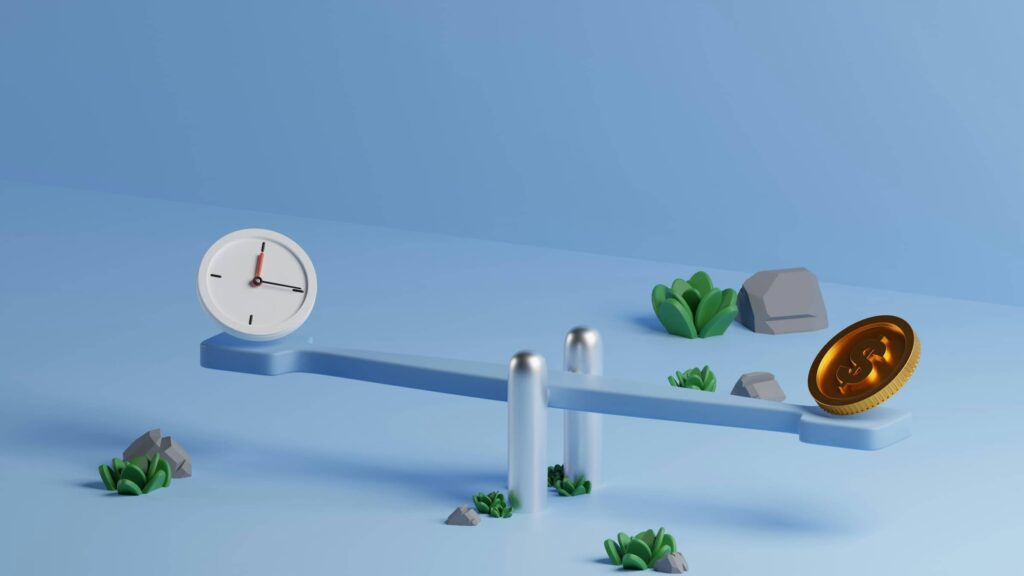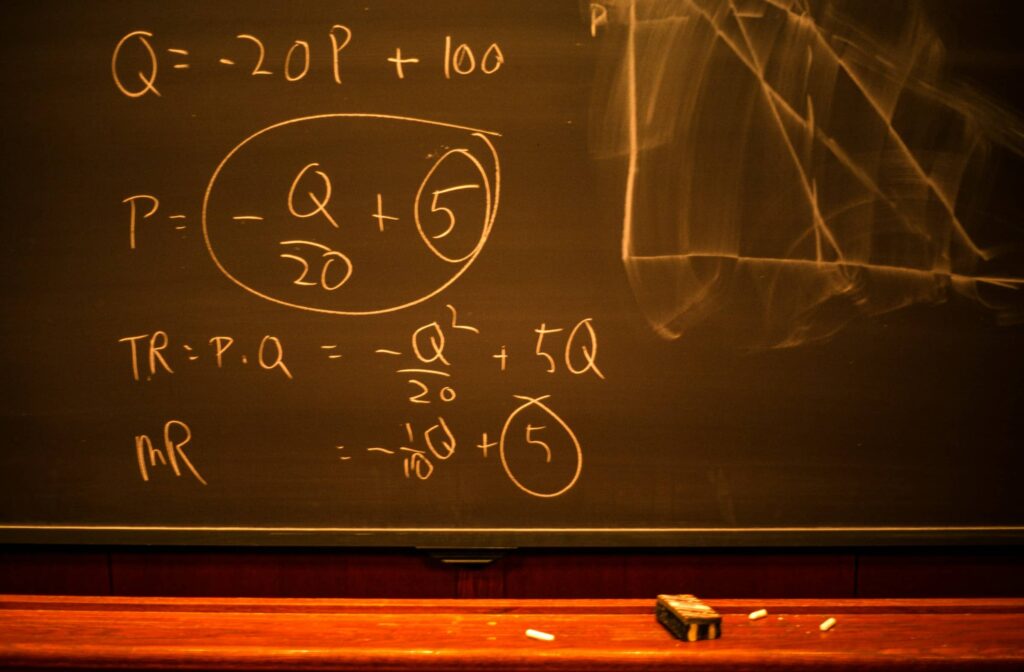
Economists have long studied the relationship between money and happiness, and the findings are both fascinating and practical. While higher income can improve well-being—especially when it covers basic needs like food, housing, and healthcare—its impact diminishes beyond a certain point. In economic terms, this is called diminishing marginal utility: each additional dollar brings less added satisfaction than the one before it.
At the foundation, money offers security. It can provide an emergency fund, reduce financial stress, and help you weather unexpected expenses without panic. This is where economics aligns perfectly with psychology—financial stability acts as a kind of “shock absorber” for life’s uncertainties, freeing mental space for more meaningful pursuits. From a resource allocation perspective, ensuring your essentials are covered is the first and most efficient use of income.
Beyond that, the global economy offers endless ways to spend, but research suggests that experiences often yield more lasting happiness than material possessions. A vacation with loved ones, a concert with friends, or a simple dinner out can create memories that last far longer than the excitement of a new purchase. Economists would say these spending choices yield higher “returns on investment” in terms of life satisfaction, even if the monetary ROI is zero.
However, the interconnectedness of our financial system means that not all spending is equal in the bigger picture. For instance, consumer debt—especially high-interest credit card balances—can quickly erode the mental and emotional benefits of spending. In policy terms, it’s like running a national economy with a persistent deficit: the short-term boost is outweighed by long-term strain.
Economics also reminds us to think about opportunity cost—the value of the next-best alternative we give up when making a decision. Choosing to work overtime for extra income may help in the short term, but the foregone leisure time with family and friends has its own measurable worth. Balancing these trade-offs is less about maximizing wealth and more about aligning with personal values.
From a macroeconomic lens, happiness can be influenced by broader conditions: inflation, unemployment rates, and even geopolitical tensions. Central banks may adjust interest rates to stabilize the financial system, but at the individual level, our own “monetary policy” is in how we save, spend, and invest. Just as policymakers aim for a stable financial system, individuals benefit from creating personal stability before chasing higher returns.
The bottom line? Money can indeed buy happiness—up to a point. It can purchase comfort, security, and opportunities for joy. But the economics of happiness teaches us that the greatest returns come not from endless accumulation, but from thoughtful, intentional use of our resources. In both personal finance and national economies, it’s the wise allocation of limited resources—not sheer quantity—that leads to lasting well-being.