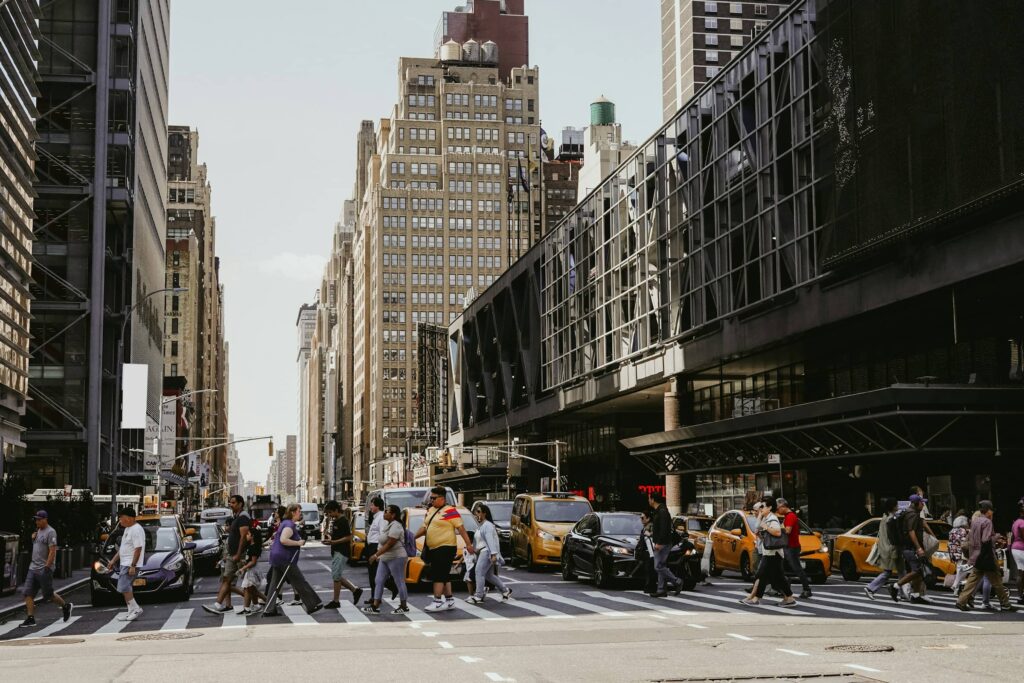
When most people hear the word “economy,” they picture charts, graphs, and complicated data. We hear about GDP growth, unemployment rates, and inflation—numbers that rise and fall like the tide. But behind every figure in an economics report are millions of individuals living real lives. The economy isn’t just numbers—it’s people.
Every purchase, paycheck, and decision contributes to what we call “economic activity.” Understanding that truth helps us see the connection between our daily lives and the broader systems shaping the global economy.
1. The Economy Begins with People, Not Policies
At its heart, economics is the study of human behavior—how people make choices with limited resources. Whether it’s a small business owner deciding to hire another worker or a family choosing between rent and groceries, every decision forms the foundation of economic life. Governments and central banks influence these choices, but the real engine of the economy is us—the consumers, workers, and entrepreneurs who make decisions every day.
2. Data Tells Stories About Human Lives
When the unemployment rate rises, it isn’t just a statistic—it’s a neighbor who lost a job. When inflation increases, it’s a parent trying to stretch their grocery budget. These numbers reveal human stories: struggle, adaptation, resilience. A good economist knows that data is valuable only when it helps us understand and improve real lives.
3. Work Is More Than a Line Item in GDP
Gross Domestic Product (GDP) measures the total value of goods and services produced in a country. But it doesn’t capture the emotional or social value of work—like the pride of a teacher, the patience of a nurse, or the creativity of a designer. A healthy economy values not just productivity but the people behind it. After all, labor economics isn’t about machines or markets; it’s about workers finding purpose and dignity in what they do.
4. Consumer Behavior Shapes the Bigger Picture
Our daily habits—where we shop, what we buy, how much we save—form the rhythm of the economy. Economists call this consumer behavior, but really, it’s the reflection of millions of individual stories. When confidence is high, people spend more; when uncertainty grows, we hold back. Understanding these patterns helps economists—and individuals—prepare for changes ahead.
5. Economic Policy Is About People’s Well-Being
Policies like monetary policy or fiscal stimulus might sound abstract, but their purpose is simple: to stabilize prices, encourage employment, and protect livelihoods. The Federal Reserve adjusts interest rates not for numbers’ sake, but to balance opportunity and affordability for households and businesses. Behind every policy decision are real consequences for families, renters, and retirees.
6. Economic Resilience Is Human Resilience
History shows that the global economy recovers not because of algorithms or institutions but because of people’s ability to adapt. After every downturn—whether a recession, pandemic, or supply chain disruption—humans rebuild, rethink, and find new ways to thrive. The strength of any economy depends on that resilience, on the creativity and persistence of ordinary people.
So the next time you hear about inflation, growth, or GDP, remember: those numbers aren’t the story—they’re the summary. The real economy lives in our choices, our work, and our communities. Economics, at its best, is the study of how people create meaning through the ways they live, trade, and help one another thrive.
—
For more free articles from Simple Money Magazine, click here.