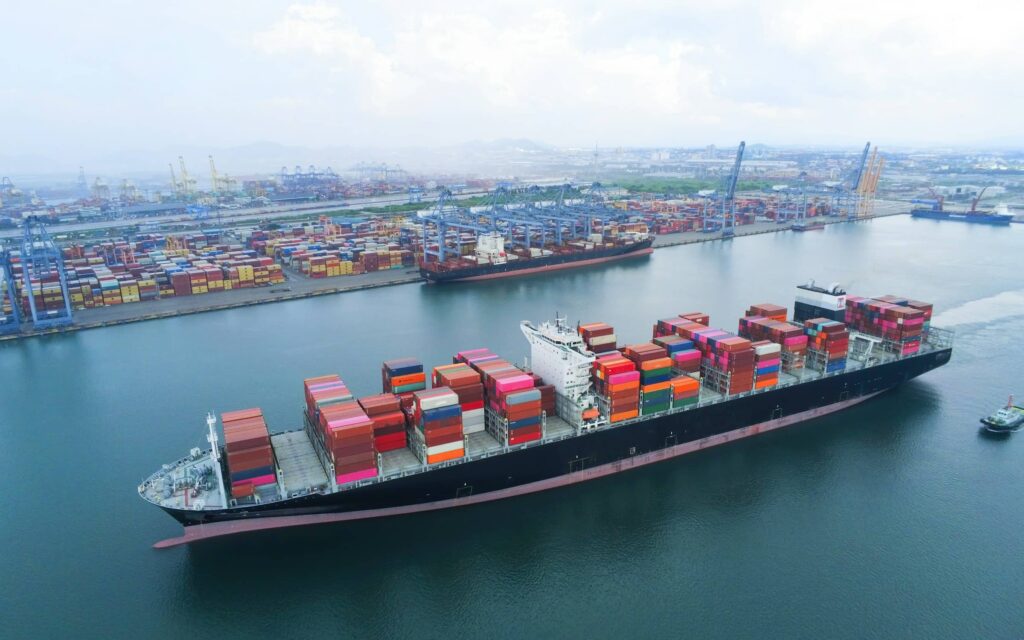
The global economy might sound like something that happens in government buildings or trading floors, but it’s much closer than that. Every purchase, paycheck, and policy shift connects to it in ways most people never notice. From your morning coffee to your next car loan, the global economy shapes the rhythm of daily life in quiet but powerful ways.
1. The Price of Everyday Goods Reflects Global Supply Chains
That bag of coffee on your counter or the fruit in your grocery cart has traveled thousands of miles to reach you. When a drought hits a major coffee-growing region or shipping lanes slow, prices rise. Supply and demand don’t just operate locally—they stretch across oceans. What feels like “higher grocery prices” in the United States often reflects global supply chain pressures rather than local greed.
2. Inflation Connects Countries More Than Ever
Inflation doesn’t happen in isolation. When energy prices rise in one region, the cost of manufacturing and transport increases globally. Central banks track consumer price indexes (CPI) to understand how quickly costs rise and adjust monetary policy in response. This is why inflation in Europe or Asia can ripple through to your local gas station and grocery bill.
Policymakers work to maintain price stability, but in an interconnected world, that balance is delicate. The result? You might see your monthly expenses rise months after a disruption happens halfway across the globe.
3. Interest Rates Affect Borrowing and Saving
When central banks around the world raise or lower interest rates, it influences borrowing and saving everywhere. If the Federal Reserve raises rates to cool inflation, your mortgage, auto loan, or credit card interest may rise, too. Conversely, savings accounts and certificates of deposit might finally earn more interest. These policy shifts are designed to stabilize the global financial system—but they’re also what decide how much you pay for that new car or earn from your savings.
4. Global Trade Determines What’s on Store Shelves
From clothing to electronics, global trade agreements dictate availability and pricing. When trade routes shift or tariffs are introduced, you might see fewer options or higher prices. Even local industries depend on global parts and raw materials. The next time a favorite item is out of stock, remember: it’s not just a logistics issue—it’s part of a global puzzle of resources, demand, and production capacity.
5. Your Investments Respond to Global Markets
Even if you never check financial news, your retirement account or mutual fund is affected by market shifts around the world. When economic growth slows in one country, investors move money elsewhere. The ripple effect can influence everything from your portfolio’s value to your confidence in future savings. Understanding this helps you see short-term volatility for what it is—a reflection of global movement, not a personal failure in your investment strategy.
6. Job Opportunities Depend on Global Demand
The global economy also shapes the job market. A slowdown in one sector—like technology or manufacturing—can reduce opportunities worldwide. Companies respond to global demand, outsourcing, and currency shifts to stay competitive. While that might sound distant, it determines what industries grow in your local community and how salaries evolve over time.
Even your paycheck is connected to the global flow of goods, capital, and labor. Understanding these connections can help you make wiser choices about saving, investing, and long-term planning. You can’t control global markets, but you can learn to navigate them with awareness—and a calm, long-term mindset.
The global economy isn’t an abstract idea. It’s the backdrop of your daily routine, influencing what you buy, how you work, and how your money grows. The more you understand it, the more empowered you are to make decisions that strengthen your financial future.
—
For more free articles from Simple Money Magazine, click here.